Natural and laboratory grown diamonds may look alike, but they are distinguishable. While they share the same chemical and physical properties, they differ in origin, rarity, and value.
Natural Diamonds
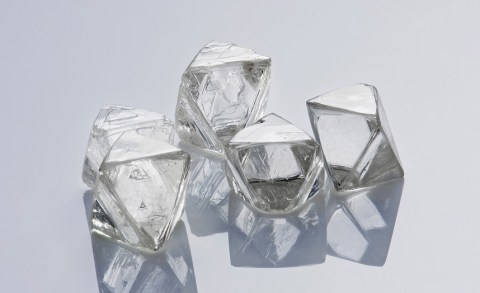

Naturally Made
Natural diamonds form 150–200 km beneath the Earth’s surface under high pressure and temperatures exceeding 1,000°C over billions of years.

Finite Supply
Natural diamonds are rare due to their limited supply on Earth — only a small fraction of which are gemstone quality.

3 Billion Years Old
Natural diamonds Formed 1-3 billion years ago in the Earth’s mantle, reaching the surface through volcanic eruptions.

Multiple Diamond Types
Natural diamonds are classified into multiple types based based on the arrangement of their trace elements and crystal structure, including Type Ia, Type Ib, Type IIa, Type IIb)
Lab Grown Diamonds
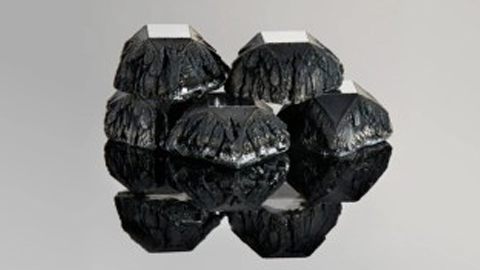

Artificially Made
Most lab-grown diamonds are produced using HPHT or CVD processes in manufacturing facilities. Over 70% of global production takes place in China and India.

Production-Based Supply
Lab grown diamonds are produced at commercial scale in controlled environments, using processes such has HPHT and CVD.

3-4 Week Formation
Lab grown diamonds are typically manufactured in 3 to 4 weeks and can be made in unlimited quantities.

Type 2A Classification
Lab grown diamonds are classified as Type IIa, a category that is common in artificially made stones due to their controlled production process.
Frequently Asked Questions
A laboratory grown diamond, also known as a synthetic diamond, lab created diamond, or man-made diamond, is a man-made gemstone that mimics the physical properties and optical properties of a natural diamond. Unlike natural diamonds, lab grown diamonds can be produced in unlimited quantities. Lab grown diamonds are created using advanced technologies such as High Pressure High Temperature (HPHT) or Chemical Vapor Deposition (CVD), which simulate the conditions under which natural diamonds form deep within the Earth’s mantle.
Lab grown diamond prices have dropped significantly, from 80% of the cost of natural diamonds in 2016 to less than 20% by 2024. This dramatic price reduction is largely due to the ability to produce lab grown diamonds in unlimited quantities using methods like Chemical Vapor Deposition (CVD) and High Pressure High Temperature (HPHT). Lab grown diamonds are priced based on production costs and retail markup. As production techniques improve and scale, their value is expected to continue declining until they reach a stable price point.
Like other natural materials, how much natural diamonds cost is based on how rare they are to find in nature. The rarer the natural diamond, the more valuable it will be. Over the last 35 years, natural diamond prices have been shown to appreciate by approximately 3% annually. In its 2019 Global Diamond Industry Report, Bain & Co. found that the diamond market has grown thrice over the past 50 years.
How old are diamonds? Most natural diamonds are between 1 and 3 billion years old. The oldest diamonds that have been dated, found in Canada, are 3.7 billion years old.Diamonds form deep within the Earth under intensely high temperatures and pressure, causing carbon atoms to crystallize before being transported to the Earth’s surface by powerful volcanic eruptions, such as kimberlite and lamproite eruptions. Although diamond formation occurs far beneath the Earth’s surface, these eruptions are rare yet immensely powerful, carrying diamonds from the Earth’s mantle to locations where they can be recovered.
The value of a natural diamond derives from its rarity as a finite, natural gemstone. Over the last 50 years, natural diamonds have shown to appreciate in price by approximately 2-3% on average per annum.
While some diamond grading laboratories do not certify laboratory grown diamonds, reputable organizations such as the Gemological Institute of America (GIA), the International Gemological Institute (IGI), and the Gemological Science International (GSI) provide detailed grading reports for lab grown diamonds. These reports clearly indicate that the diamond is laboratory grown, not natural. It’s crucial to be cautious of non-third-party grading reports that may fail to clearly disclose a diamond as lab grown.
Natural diamonds are formed by the heat and pressure of the Earth, from 1 to 3 billion years ago, making a natural diamond the oldest thing you will ever touch.
Natural diamonds are formed deep within the Earth under intense heat and pressure, where pure carbon atoms crystallize into the hardest mineral on Earth, a diamond. The extreme conditions deep within the Earth that create natural diamonds are just the beginning of their journey. After forming about 100 miles below the Earth’s surface, natural diamonds were blasted upwards by ancient volcanoes. As these volcanoes erupted, they trapped the diamonds in molten rock, carrying them to the surface. Today, diamonds are found in the remnants of these ancient volcanoes, known as kimberlite pipes. Natural diamonds are often called “mined diamonds,” although some are recovered without traditional mining. These diamonds are made of pure carbon, formed under extreme pressure and heat over millions of years.
The environmental impact of a one-carat natural diamond from mine to finger is about the same as the environmental impact of manufacturing three smartphones.
Researchers are using the rocks in which diamonds are found, called kimberlite, to absorb carbon dioxide from the atmosphere in a ground-breaking research program with the aim of reaching carbon neutrality within this decade. Also, triple the amount of land natural diamond companies use is set aside for environmental conservation.
There are no toxic chemical byproducts used in natural diamond recovery because once they are removed from the ground, diamonds are easily extracted from the host rock. The leftover rock is then stored on-site and used when the mine is closed to return the land back to its original state.
While laboratory grown diamonds are often marketed as eco-friendly, the reality is more complex. The energy-intensive process required to create these diamonds involves generating temperatures close to 20% of the temperature on the Sun’s surface, which demands significant energy consumption. Furthermore, much of the production takes place in countries like China and India, where coal is a dominant source of electricity. This means that, contrary to some claims, the environmental footprint of laboratory grown diamonds is far from negligible, as they are often powered by fossil fuels.
The word ‘diamond’ comes from the Greeks, who named the stone ‘adamas,’ meaning unbreakable or unalterable.
Since their discovery almost 4,000 years ago, natural diamonds have fascinated humans with their unique properties that were previously unseen. They immediately came to symbolize strength, resilience, and power. Ancient Greeks then named them ‘adamas’, meaning unbreakable, just like love. Mythology also sees Cupid’s arrows tipped with diamonds, as a diamond was said to aid in falling in love. The first known diamond engagement ring was given in 1477, sparking the tradition and cementing their status as the ultimate symbol of love and heirloom, a sentiment that has spread across cultures and through time.
The diamond industry has made significant strides over the past 30 years in ethical sourcing and sustainability. This includes improving working conditions across the entire supply chain as well as reducing the impact of diamond mining on the earth. Thanks to the Kimberley Process Certification Scheme (KPCS), conflict-free diamonds (sometimes called blood diamonds) are nearly eliminated from the market. This United Nations-mandated certification process ensures that diamonds are sourced from regions free of conflict, giving buyers peace of mind that their ethically sourced diamonds are conflict-free, whether they’re purchasing a loose stone, engagement ring, or diamond jewelry.
Today, consumers can be confident that the majority of natural diamonds purchased globally are ethically sourced diamonds. However, the diamond trade goes beyond the Kimberley Process by implementing additional standards to improve working conditions and address the broader issues of people, planet, and business ethics. In addition to adhering to international human rights frameworks, environmental standards, fair wages and other labor regulations, the diamond industry is committed to responsible mining practices and ensuring that diamond mining companies comply with country-specific laws. These efforts guarantee that the sustainable and ethical practices of the industry also minimize environmental impact and respect human rights.